


OTREC Events
September 2014
2014 Oregon Transportation Summit
September 15, 2014 8:00 am - September 15, 2014 5:00 pm
Preliminary Agenda (Note some changes from previous years):
8:00 - 9:00 Registration, Light Breakfast and Poster Exhibit
9:00 - 10:30 Plenary Session
10:30 - 11:00 Break, Refreshments, Poster Exhibit
11:00 - 12:30 Morning Workshops (four tracks)
12:30 - 2:00 Lunch , OTREC Awards, Keynote
2:00 - 2:30 Break, Book Signing, Refreshments, Poster Exhibit
2:30 - 4:00 Afternoon Workshops (four tracks)
Registration is now open.
More details about the event can be found here.
If you have suggestions or questions about the program, please contact Susan Peithman ([email protected]). If you have questions about registration, please contact Renata Tirta ([email protected], 503-725-2863).
August 2014
Comprehensive Bicycle Design & Engineering 2.0
August 25, 2014 8:00 am - August 29, 2014 5:00 pm
Comprehensive Bicycle Design & Engineering 2.0
Where: Room 315 (ITS Lab), Engineering Building, Portland State University
Course Faculty: Mia Birk, Alta Planning + Design; Peter Koonce, Portland Bureau of Transportation; and other instructors TBA
Summary: This Initiative for Bicycle and Pedestrian Innovation (IBPI) course will cover the fundamentals of bikeway planning and design through an intensive week of interactive classroom and field experience. It will bring you up to speed on the cutting edge in practice and research and offer valuable skills for your professional life. Instructors will integrate transit access and connections, bridges, trail crossings, and other special features into discussions, while using project examples to highlight practical applications of the principles and techniques covered.
Topics will include:
Protected bikeways
Suburban and rural design
Bicycle facility design of intersections, crossings, signals
Bicycle and pedestrian modeling
NACTO/AASHTO/MUTCD coordination
ADA and bicycle design
Funding opportunities
One-on-one engineering consultations on bicycle design
Daily field tours will explore Portland’s “living laboratory” of bicycle and pedestrian facilities to provide first-hand experience of design and operations of facilities and projects discussed in the classroom. There is nothing like actually seeing and riding on a variety of bicycle facility types to facilitate your understanding of their operations and make it easier for you to describe to colleagues and stakeholders back home. Students must be able to bike up to 10 miles a day, and expect mild elevation. Week-long bike rentals are available for an additional fee. Please request the bike rental when registering for the workshop.
Our course faculty provides access to some of the nation’s best expertise built up over a 20-year timeframe. Our instructors work together to present and explain issues from different angles.
Who Should Attend: Transportation engineers, urban planners, citizen experts, past participants of the IBPI week-long class and others interested in in-depth engineering and planning examples of bikeway design and innovation. This class best serves people from communities who already have a developed bicycle network, municipal staff continuing to work on implementing bicycle facilities and are looking to move their community into the next phase of bicycle friendliness. This class will focus on in-depth problem solving on difficult planning and engineering issues.
Registration: The fee for this professional development course is $995. This includes continental breakfast, snacks, lunch, and course materials. The fee does not include travel, lodging or other meals while in Portland.
Registration is currently not open yet. If you'd like to be notified of registration opening, subscribe to the IBPI list.
Continuing Education Credits: This 5-day workshop will provide approximately 32 hours of training which equals to 32 CMs or 32 PDHs. IBPI applies to the AICP for Certification Maintenance credit for each webinar. We will provide an attendance certificate to those who document their professional development hours.
Add this event to your calendar:

Evaluating the Level-of-Service of Protected Bike Lanes
September 25, 2014 10:00 am - September 25, 2014 11:15 am
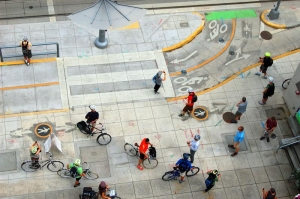
The most recent edition of the Highway Capacity Manual (HCM) contains analysis procedures for measuring the level-of-service (LOS), also referred to as quality of service, provided by an urban roadway to bicyclists. The method uses different design and operating features of the roadway segment (e.g. width, motor vehicle volumes and speeds) to assess an LOS grade of A (best) to F (worst). These procedures are used by planners and engineers to recommend how existing streets could be retrofitted or new streets designed to better serve people on bicycles (and other modes). However, the current HCM does not include methods that address protected bike lanes (aka “cycle tracks” or “separated bike lanes”), only conventional striped bike lanes, shoulders, and shared streets. There are other methods for predicting comfort from a bicyclist’s perspective that do consider protected bike lanes, but they are either based only on expert opinion or on surveys in Denmark.
This presentation will describe how to evaluate the level-of-service of a protected bike lane using results from surveys conducted in the United States. The model developed by this project could be used to supplement the current HCM to objectively consider a wider range of options for improving the environment for bicycling. This is increasingly important as the implementation of, and demand for, protected bike lanes surges around the US.
This seminar is eligible for 1 hour of professional development credit. IBPI applies to the AICP for Certification Maintenance credit for each webinar. We will provide an electronic attendance certificate for other types of certification maintenance.
For more information or to register for this free webinar, click here.
Add this event to your calendar:
Symposium Celebrating 50 Years of Traffic Flow Theory
August 11, 2014 7:59 am - August 13, 2014 4:59 pm
Where: David Evans and Associates, 2100 SW River Parkway Portland, OR 97201
Summary: The Transportation Research Board (TRB) Committee on Traffic Flow Theory and Characteristics is pleased to announce the Symposium Celebrating 50 Years of Traffic Flow Theory and Midyear Meeting to be held in Portland, Oregon, USA, August 11-13, 2014. The predecessor committee focusing on traffic flow theory was organized 50 years ago, and this is an appropriate time to recognize the past accomplishments in the field, reflect on the present state of our research community and identify key future directions. Papers on all topics in the traffic flow theory and characteristics domains are welcome. We will be presenting exciting technical and social programs. We sincerely hope you will join us!
Organizing Committee Chair: Robert Bertini, Portland State University. Robert Bertini is a professor of Civil and Environmental Engineering at Portland State University. From 2009-2011, he served as Deputy Administrator of the Research and Innovative Technology Administration at the U.S. Department of Transportation, and from 2011-2012 he was a visiting professor at the Delft University of Technology in the Netherlands. A registered professional engineer in Oregon and California, Bertini's experience includes work with local government, several national transportation consulting firms and the auto industry.
Click here to register. Early registration is open now!

July 2014
Comprehensive Bicycle Design & Engineering 1.0
July 28, 2014 8:00 am - August 1, 2014 5:00 pm
Comprehensive Bicycle Design & Engineering 1.0
Where: Room 315 (ITS Lab), Engineering Building, Portland State University
Course Faculty: Mia Birk, Alta Planning + Design; Peter Koonce, Portland Bureau of Transportation; and other instructors TBA
Summary: The field of bikeway planning is rapidly evolving. This Initiative for Bicycle and Pedestrian Innovation (IBPI) course will cover the fundamentals of bikeway planning and design through an intensive week of interactive classroom and field experience. It will bring you up to speed on the cutting edge in practice and research and offer valuable skills for your professional life. Instructors will integrate transit access and connections, bridges, trail crossings, and other special features into discussions, while using project examples to highlight practical applications of the principles and techniques covered. Effective education and encouragement programs, including public involvement strategies, will also be discussed.
Topics will include:
Bicycle and pedestrian master planning
Bicycle facility design of intersections, crossings, and signals
Trail design
Bicycle boulevards
Data collection
Bicycle and pedestrian-friendly policy
Funding opportunities
Encouragement, education, and enforcement
Daily field tours will explore Portland’s “living laboratory” of bicycle facilities to provide first-hand experience of design and operations of facilities and projects discussed in the classroom. There is nothing like actually seeing and riding on a variety of bicycle facility types to facilitate your understanding of their operations and make it easier for you to describe to colleagues and stakeholders back home. Students must be able to bike up to 10 miles a day, and expect mild elevation. Week-long bike rentals are available for an additional fee. Please request the bike rental when registering for the workshop.
Our course faculty provides access to some of the nation’s best expertise built up over a 20-year timeframe. Our instructors work together to present and explain issues from different angles.
Who Should Attend: Urban planners and transportation engineers, policy makers, advocates and others interested in a broad overview of bicycle design, programs, policy and funding. This class best serves people from communities who are working to develop or implement their first major bicycle master plan. This class has more of a planning focus than in-depth engineering issues.
Registration: The fee for this professional development course is $995. This includes continental breakfast, snacks, lunch, and course materials. The fee does not include travel, lodging or other meals while in Portland.
Registration is currently not open yet. If you'd like to be notified of registration opening, subscribe to the IBPI list.
Continuing Education Credits: This 5-day workshop will provide approximately 32 hours of training which equals to 32 CMs or 32 PDHs. IBPI applies to the AICP for Certification Maintenance credit for each webinar. We will provide an attendance certificate to those who document their professional development hours.
Add this event to your calendar:
Health Impact Assessment (HIA) in Transportation Planning
July 16, 2014 10:00 am - July 16, 2014 11:15 am
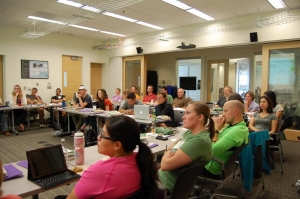
Health impact assessment (HIA) has emerged in the U.S. as a promising way to increase social and environmental justice by addressing health equity within transportation planning. HIA seeks to augment the information base upon which public decisions are made. It does so through a multi-disciplinary analysis of how the project or plan impacts various social determinants of health. It also augments community and stakeholder engagement by providing a forum - usually through an advisory committee - where stakeholders can identify and deliberate about health interests related to the target plan. While HIA advisory committees are diverse by design, those managing HIA processes are often surprised at the differences between and within both the planning and transportation fields.
This webinar reviews stakeholder engagement strategies common to HIA. It compares and contrasts the values, expectations, and methodologies that various types of planning and public health professionals often bring to the table. Finally, it identifies best practices for stakeholder engagement in HIA to maximize the collaborative nature of HIA.
Continuing Education Credits: This 60-minute webinar provides one hour of training which equals 1 CM or 1 PDH. IBPI applies to the AICP for Certification Maintenance credit for each webinar. We will provide an attendance certificate to those who document their professional development hours.
Configuration: The webinar will be administered through GoToWebinar. The room will be opened 30 minutes before the start of the webinar.
June 2014
PSU Delft Summer Program
June 28, 2014 8:00 am - July 11, 2014 5:00 pm
Sustainable Transportation in the Netherlands
Faculty: Dr. Robert Bertini (PSU), Dr. Peter Furth (NEU)
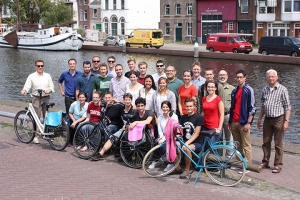
Summary: This popular course offers students a unique learning opportunity. Open to PSU seniors and graduate students from all majors, students immerse themselves in the Netherlands and experience firsthand how pedestrian, bicycle, transit and auto modes can work together and complement each other in a truly liveable way.
Peter Koonce (The City of Portland Bureau of Transportation), the course's original creator, was inspired to develop the curriculum after guest lecturing for a Northeastern University course hosted at TU Delft in 2010. Koonce soon realized that he was involved in a course that he should have taken as an undergraduate, and he pledged to create the same experience for students at PSU.
"At the City of Portland, we had been talking about building better bicycle facilities, but it was hard to imagine them. By visiting with Dutch traffic engineers, you could ask them specific questions on what was working for them and how their design philosophies evolved over time."
Topics include Dutch bicycle facility planning and design, roundabout design, bicycle highways, transit networks, land use and zoning impact on transportation planning, and transit oriented development. In a typical day students meet for an introductory lecture at TU Delft, cycle to a nearby city for a tour led by local planners, engineers and politicians. Students work in small groups on a wiki-based project and also blog about their experiences as part of the course.
A recent article about the course, which recounts the insights and experiences of some former course participants, can be found here.
CE 4/510 (5 credits)
Faculty: Dr. Robert Bertini (PSU), Dr. Peter Furth (NEU)
More information about the course can be found here or by completing this simple form. Non-students interested in participating in the course should contact Dr. Robert Bertini.
Applications are now available through PSU Education Abroad.
Health and Transportation Partners: Working to Improve Pedestrian Safety in Oregon
June 11, 2014 11:00 am - June 11, 2014 2:30 pm
Health and Transportation Partners: Working to Improve Pedestrian Safety in Oregon
Safe States Pedestrian Injury Prevention Training and Mini-Grant Opportunity
Free IBPI Webinar
Wednesday, June 11, 2014
Part 1: 11:00 AM - 12:30 PM PST
Part 2: 1:00 PM - 2:30 PM PST
Join health and transportation partners working in Oregon and learn a variety of ways to improve pedestrian safety in your neighborhood, town or city. Explore the links between health and transportation, the best practices being used to increase the numbers of individuals using active transportation, and how to keep all road users safer. These methods need not necessarily be expensive engineering solutions, but can encompass education, enforcement and some simple fixes.
This webinar is required viewing for taking advantage of a pedestrian safety mini-grant opportunity that will be released in June 2014. Click here to preview the mini-grant program guidelines and application. The webinar will be recorded and a link will be emailed to all registrants after the webinar.
Audience: Those working in public health, pedestrian or bicycle advocacy, law enforcement, community planning, traffic engineering, citizen engagement or other fields that want to get people using active transportation and reduce the risks to users of the system.
Continuing Education Credits: This webinar provides three hours of training which equals 3 CM or 3 PDH. IBPI applies to the AICP for Certification Maintenance credit for each webinar. We will provide an attendance certificate to those who document their professional development hours.
Configuration: The webinar will be administered through GoToWebinar. The room will be opened 30 minutes before the start of the webinar.
Add this 2-part event to your calendar:
Morning
Afternoon
E-Bikes: Generating the New Wave of Cyclists
June 9, 2014 10:00 am - June 9, 2014 11:15 am
E-Bikes: Generating the New Wave of Cyclists
How do we get more people biking and to bike more often? Communities around North America are struggling with this question as they face growing economic, social, health and environmental issues. This webinar aims to explore if adding technology to bicycles can reduce barriers to bicycling (e.g., trip distance, topography, time, and rider effort) and encourage more bicycling trips, longer bicycling trips, and increase the diversity of people bicycling, including people with a disability or chronic injury.
Electric bicycles (e-bikes) are well established in China and other Asian and European countries but market adoption has been slow in the United States. E-bikes typically resemble a standard pedal bicycle with the addition of a rechargeable battery and electric motor to assist the rider with propulsion. Though research on the economic, operational, and safety issues of e-bikes in North America is limited, the webinar will present information gathered by PSU researchers on the adoption of e-bikes. Results from an online survey of existing e-bike users on their purchase and use decisions will be presented, which suggest that e-bikes are enabling users to bike more often, to more distant locations, and to carry more cargo with them. Additionally, e-bikes seem to allow people who would otherwise not be able to bike, because of physical limitations or proximity to locations, the ability to bike with electric assist.
What is an e-bike? Who is using these bikes and why? What are the barriers that are preventing broader adoption of this technology? As adoption of e-bikes increases, how should local agencies address the integration of e-bikes with other modes? These questions and more will be explored in this webinar.
The webinar is free through registration; early registration is encouraged. An archived video will also be posted after the webinar.
Continuing Education Credits: This 60-minute webinar provides one hour of training which equals 1 CM or 1 PDH. IBPI applies to the AICP for Certification Maintenance credit for each webinar. We will provide an attendance certificate to those who document their professional development hours.
Configuration: The webinar will be administered through GoToWebinar. The room will be opened 30 minutes before the start of the webinar.
Add this event to your calendar:
Seminar #394: Transforming Transportation Through Connectivity
June 6, 2014 12:00 pm - June 6, 2014 1:00 pm
May 2014
GIS Tools for Bicycle Network Analysis and Planning
May 30, 2014 12:00 pm - May 30, 2014 1:00 pm
Where: Room 204 of the Distance Learning Center Wing of the Urban Center at PSU
Speaker: Mike Lowry, Professor, University of Idaho
Topic: GIS Tools for Bicycle Network Analysis and Planning
Summary: This presentation is a showcase of various GIS tools developed for bicycle network analysis and planning. The showcase includes a tool for assessing community-wide bikeability, a tool for forecasting bicycle volumes based on street topology, and a tool for evaluating different bicycle improvement plans in terms of exposure to danger situations for bicyclists. The tools will be demonstrated with case study data. The presentation will include a review of the Highway Capacity Manual Bicycle Level of Service and a discussion about using bicycle and pedestrian data collected through citizen-volunteer count programs.
Stream the seminar live, or watch an archived video, when made available, through the link here.
Add this event to your calendar:
Capturing the Ride: Exploring Low-Density Flexible Transit Alternatives in Salem-Keizer
May 23, 2014 12:00 pm - May 23, 2014 1:00 pm
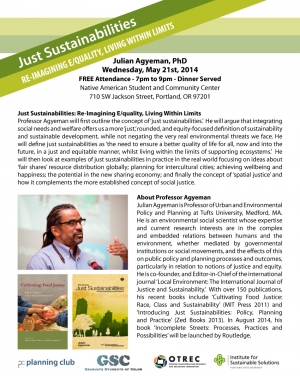
Just Sustainabilities: Re-Imagining E/quality, Living Within Limits
May 21, 2014 7:00 pm - May 21, 2014 9:00 pm
Where: Native American Student and Community Center, 710 SW Jackson Street, Portland, OR 97201
Speaker: Julian Agyeman, PhD
Topic: Just Sustainabilities: Re-Imagining E/quality, Living Within Limits
Summary: Professor Agyeman will first outline the concept of ‘just sustainabilities.’ He will argue that integrating social needs and welfare offers us a more ‘just,’ rounded, and equity-focused definition of sustainability and sustainable development, while not negating the very real environmental threats we face. He will define just sustainabilities as ‘the need to ensure a better quality of life for all, now and into the future, in a just and equitable manner, whilst living within the limits of supporting ecosystems.’ He will then look at examples of just sustainabilities in practice in the real world focusing on ideas about ‘fair shares’ resource distribution globally; planning for intercultural cities; achieving wellbeing and happiness; the potential in the new sharing economy; and finally the concept of ‘spatial justice’ and how it complements the more established concept of social justice.
Julian Agyeman is Professor of Urban and Environmental Policy and Planning at Tufts University, Medford, MA. He is an environmental social scientist whose expertise and current research interests are in the complex and embedded relations between humans and the environment, whether mediated by governmental institutions or social movements, and the effects of this on public policy and planning processes and outcomes, particularly in relation to notions of justice and equity. He is co-founder and Editor-in-Chief of the international journal ‘Local Environment: The International Journal of Justice and Sustainability.’ With over 150 publications, his recent books include ‘Cultivating Food Justice: Race, Class and Sustainability’ (MIT Press 2011) and ‘Introducing Just Sustainabilities: Policy, Planning and Practice’ (Zed Books 2013). In August 2014, his book ‘Incomplete Streets: Processes, Practices and Possibilities’ will be launched by Routledge.
Add this event to your calendar:
Of Railroads & Finance: The Making of Market Society in the Pacific Northwest
May 16, 2014 3:00 pm - May 16, 2014 4:30 pm
Where: Cramer Hall 250 at PSU
Speaker: Mitch Green
Topic: Of Railroads & Finance: The Making of Market Society in the Pacific Northwest
Pedestrian Safety and Culture Change
May 16, 2014 12:00 pm - May 16, 2014 1:00 pm
Where: Room 204, Distance Learning Center Wing of the Urban Center at PSU
Speaker: Ron Van Houten, Western Michigan University
Topic: Pedestrian Safety and Culture Change
Summary: This session will describe the process and results of a NHTSA study that showed a change in driver culture of yielding to pedestrians in crosswalks on a citywide basis. The research won the Pat Waller award from the National Academy of Sciences, Transportation Research Board in January of this year. The approach to changing road user behavior focused on an integrated approach that include Enforcement, Engineering, and Educational efforts that were designed to be dovetailed together and that included a social norming component. Additional information will be provided on engineering solutions that can facilitate changes in pedestrian level of service and safety.
Stream the seminar live, or watch an archived video, when made available, through the link here.
Add this event to your calendar:
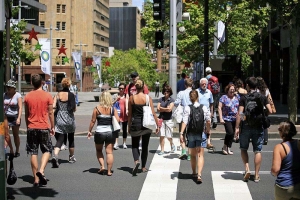
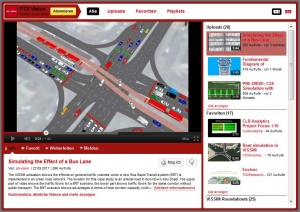
Analytical Efficiencies Through the Integration of Modeling and Simulation Tools
May 9, 2014 12:00 pm - May 9, 2014 1:00 pm
Where: Room 204 of the Distance Learning Center Wing of the Urban Center at PSU
Speaker: Steve Perone, PTV Group
Topic: Analytical efficiencies through the integration of modeling and simulation tools
Summary: Linking planning and operations is vital to improving transportation decision making and the overall effectiveness of transportation systems. In this seminar Steve will discuss data and modeling methods supported by the PTV Vision software suite to facilitate integrated planning for operations.
Stream the seminar live, or watch an archived video, when made available, through the link here.
Add this event to your calendar:
Highlights from the Green Lane: A Comprehensive Evaluation of Protected Cycling Facilities
May 2, 2014 12:00 pm - May 2, 2014 1:00 pm
Where: Room 204 of the Distance Learning Center Wing of the Urban Center at PSU
Speaker: Chris Monsere and Jennifer Dill, Professors, Portland State University
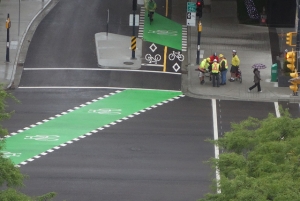
Topic: Highlights from the Green Lane: A Comprehensive Evaluation of Protected Cycling Facilities
Summary: Cycling is on the rise across the U.S. and its popularity has grown beyond the usual leaders - Portland, OR, Seattle, WA, Davis, CA, Minneapolis, MN and Boulder, CO. New York City, NY Chicago, IL and Washington, DC are among those cities making significant investments in bike infrastructure in recent years and have realized substantial growth in people taking to the streets on two wheels. This presentation will summarize some results from our comprehensive assessment of the safety, operations, economic impacts, user experience, and perceptions of new protected bikeways in 5 cities U.S. cities (Austin, TX; Chicago, IL; Portland, OR; San Francisco, CA; and Washington, D.C.). To support this research, the team collected and analyzed 204 hours of video, 2,300 returned surveys of residents, and 1,111 returned surveys from people intercepted riding the new facilities.
*image by Greg Raisman
Stream the seminar live, or watch an archived video, when made available, through the link here.
Add this event to your calendar:
April 2014
Assessing Impacts of Time Use on Children’s Physical Fitness in Relation to Obesity & Diabetes Risk
April 25, 2014 12:00 pm - April 25, 2014 1:00 pm
Where: Room 204 of the Distance Learning Center Wing of the Urban Center at PSU
Speaker: Jessica Guo, Supervising Planner, Parsons Brinckerhoff
Topic: Assessing Impacts of Time Use on Children's Physical Fitness in Relation to Risk for Obesity and Diabetes
Summary: Researchers from the transportation, planning and health fields share the common goal of promoting physically active lifestyle. One challenge that researchers often face is the measurement of physical activity, particularly among children. This is because the sporadic nature of children’s physical activity patterns makes it difficult to recall and quantify such activities. Additionally, children’s lower cognitive functioning compared to adults prevents them from accurately recalling their activities. This presentation will describe the design and application of a novel self-report instrument - the Graphs for Recalling Activity Time (GReAT) - for measuring children’s activity time use patterns. The instrument was applied in a study of children’s risk for obesity and diabetes in a predominately Hispanic community in Milwaukee, WI. Time-use data for two weekdays and one weekend day were collected for various physical and sedentary activities. The data was then assessed against measurements of the children’s cardiovascular fitness, weight status and insulin resistance through exploratory analysis and structured equation modeling. Findings on GReAT’s reliability and new evidence on the impacts of time-use in different activities on children’s risk for obesity and diabetes will be discussed.
Stream the seminar live, or watch an archived video, when made available, through the link here.
Add this event to your calendar:
Transportation and Road Weather
April 18, 2014 12:00 pm - April 18, 2014 1:00 pm
*Image by Derek Bridges
Transit Planning Practice in the Age of Transit-Oriented Development
April 11, 2014 12:00 pm - April 11, 2014 1:00 pm
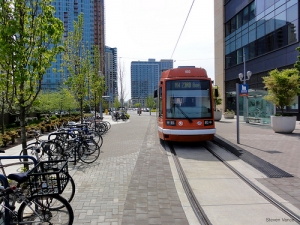
An Introduction to the NACTO Urban Street Design - Changing the DNA of City Streets
April 4, 2014 12:00 pm - April 4, 2014 10:37 am
March 2014
Federal Transit Administration’s Impact on Public Transportation in the U.S.
March 14, 2014 12:00 pm - March 14, 2014 1:00 pm
Where: Room 204 of the Distance Learning Center Wing of the Urban Center at PSU
Speaker: Amy Changchien, Federal Transit Administration
Topic: Federal Transit Administration's Impact on Public Transportation in the U.S.
Summary: The Federal Transit Administration invests in building the capacity and improving the quality of public transportation throughout the United States of America. Under FTA's leadership, public rail, bus, trolley, ferry, and other transit services have reached greater levels of safety, reliability, availability, and accessibility. Come hear the highlights of FTA's impacts and participate in an interactive question/answer session and discussion on career options in public transportation!
*image courtesty of Steve Morgan
Stream the seminar live, or watch an archived video, when made available, through the link here.
Add this event to your calendar:
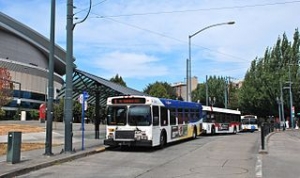
10 Tips to Tell Your Story in a Thought-Provoking and Technically Truthful Way
March 7, 2014 12:00 pm - March 7, 2014 1:00 pm
Where: Room 204 of the Distance Learning Center Wing of the Urban Center at PSU
Speaker: Dave Thompson, Oregon DOT
Topic: 10 Tips to Tell Your Story in a Thought-Provoking and Technically Truthful Way
Summary: How do you explain complex ideas? What do you say when reporters ask you to guess about the future? ODOT spokesperson and public affairs manager Dave Thompson will share tips on how to explain a complex topic to reporters and concerned citizens. Thompson worked as a broadcast news reporter, producer and anchor for 20 years, including anchoring the weekend news at KPTV from 1992 to 2000. He’s been in public relations another 14 years, leading pre-IPO angel-invested startup branding efforts and providing company and government agency perspective to reporters and citizens. And of course, apologizing for Portland’s congestion and warning us about driving in snowstorms. But Dave didn’t start out in communications: He was a math major! His message: With practice, you can and should speak in public, if you’re prepared and when you’re the subject matter expert. (If he can do it, you can do it!) Dave will show you how to engage your audience’s imagination to explain the complex, yet stay true to the technical.
Stream the seminar live, or watch an archived video, when made available, through the link here.
Add this event to your calendar:

The Tea Party, Agenda 21 and Sustainable Transportation Planning
March 4, 2014 12:00 pm - March 4, 2014 1:00 pm
Where: PSU Urban Center Gallery, 2nd Floor
Speaker: Dr. Karen Trapenberg Frick, PhD
Topic: The Tea Party, Agenda 21 and Sustainable Transportation Planning
Dr. Karen Trapenberg Frick is Assistant Director of University of California Transportation Center. She also is a lecturer in the Department of City and Regional Planning and teaches graduate and undergraduate classes in transportation policy and planning, and she was the academic lead for CED's [IN]CITY summer program in sustainable city planning. She holds a Ph.D. in city planning from UC Berkeley and a masters in planning from UCLA.
Dr. Frick is an expert on sustainable transport and community development policies and strategies as well as major transportation infrastructure projects. Her current research includes an evaluation of variable tolls on the Bay Bridge and an investigation of best practices and challenges related to transport innovations.
Add event to calendar:

February 2014
Measuring urban bicyclists’ uptake of traffic-related pollution
February 28, 2014 12:00 pm - February 28, 2014 1:00 pm
Where: Room 204 of the Distance Learning Center Wing of the Urban Center at PSU
Speaker: Alex Bigazzi, PhD candidate, Portland State University
Topic: Measuring urban bicyclists’ uptake of traffic-related pollution
Summary: Urban bicyclists’ uptake of traffic-related air pollution is still not well quantified, due to a lack of direct measurements of uptake and a lack of analysis of the variation in uptake. This paper describes and establishes the feasibility of a novel method for measuring bicyclists’ uptake of volatile organic compounds (VOC) by sampling breath concentrations. Early results from the data set demonstrate the ability of the proposed method to generate findings for transportation analysis, with statistically significant exposure and uptake differences from bicycling on arterial versus bikeway facilities for several traffic-related VOC. These results provide the first empirical evidence that the usage of bikeways (or greenways) by bicyclists within an urban environment can significantly reduce uptake of dangerous traffic-related gas pollutants. Dynamic concentration and respiration data reveal unfavorable correlations from a health impacts perspective, where bicyclists’ respiration and travel time are greater at higher-concentration locations on already high-concentration roadways (arterials).
*Image by Greg Raisman
Stream the seminar live, or watch an archived video, when made available, through the link here.
Add this event to your calendar:
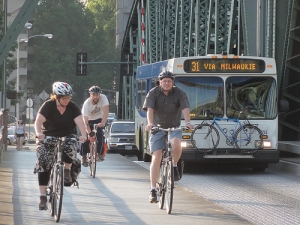
We are Traffic: Creating Robust Bicycle and Pedestrian Count Programs
February 27, 2014 10:00 am - February 27, 2014 11:15 am
We are Traffic: Creating Robust Bicycle and Pedestrian Count Programs
Free IBPI webinar
Instructor: Krista Nordback, Ph.D
Summary: As agencies looking to improve bicycle and pedestrian infrastructure have learned, it doesn’t count if it’s not counted. Counting provides information on the level of intersections, paths and roadways—data already available for motor vehicles but lacking for non-motorized travelers. For the first time, Federal Highway Administration’s Traffic Monitoring Guide now includes a chapter detailing how to monitor bicycle and pedestrian traffic. This webinar explains how to create a robust bicycle and pedestrian count program based on the new guidance. Agencies that show clear evidence of use are more likely to receive funding for projects, so join us and learn how to improve your existing count program or create a new one.
Join us for our inaugural webinar. The webinar is free and open to the public. Registration is required before the start of the webinar in order for us to be able to send you an entry link. Registration is currently open and available until the day of the webinar or until capacity is reached.
Continuing Education Credits: This 60-minute webinar provides one hour of training which equals to 1 CM or 1 PDH. IBPI applies to the AICP for Certification Maintenance credit for each webinar. We will provide an attendance certificate to those who document their professional development hours.
Configuration: The webinar will be administered through Blackboard Collaborate. Please check that your computer meets the system requirement and to download the software in advance by clicking here. You may also complete this step before the start of the webinar. The room will be opened 30 minutes before the start of the webinar.
Add this event to your calendar:
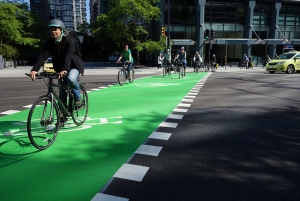
Bike Planning Methods in Oregon Communities
February 21, 2014 12:00 pm - February 21, 2014 1:00 pm
*Image by Greg Raisman.
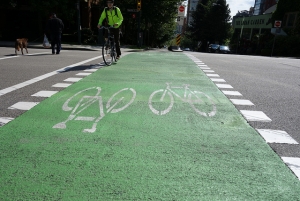
A Recipe for an Online, Geospatial Transit Performance Archive
February 14, 2014 12:00 pm - February 14, 2014 1:00 pm

The Most Important 18% - Commute trips from the US Census
February 7, 2014 12:00 pm - February 7, 2014 1:00 pm
Where: Room 204 of the Distance Learning Center Wing of the Urban Center at PSU
Speaker: Penelope Z. Weinberger, AASHTO
Topic: The Most Important 18% - Commute trips from the US Census, and while we're looking, what else happens to be in there?
Summary: The Census Transportation Products Program (CTPP) commissions a special tabulation of interest to transportation practitioners. This seminar will talk about the CTPP and how to access the data, technical assistance, and research available through the program.
Stream the seminar live, or watch an archived video, when made available, through the link here.
Add this event to your calendar:
January 2014
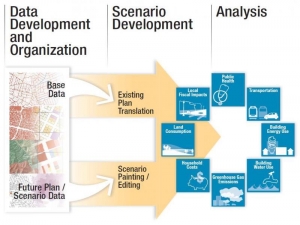
Regional Planning, Greenhouse Gases, and UrbanFootprint open source software
January 31, 2014 12:00 pm - January 31, 2014 1:00 pm
Where: Room 204 of the Distance Learning Center Wing of the Urban Center at PSU
Speaker: Garlynn Woodsong, Project Manager, Calthorpe Associates
Topic: Regional Planning, Greenhouse Gases, and UrbanFootprint open source software.
Summary: Since about 2008, the planning world has been experiencing a paradigm shift that began in places like California and Oregon that have adopted legislation requiring the linking of land use and transportation plans to outcomes, specifically to the reduction of greenhouse gases (GHGs). In response to this need, Calthorpe Associates has developed a new planning tool, called UrbanFootprint, on a fully Open Source platform (i.e. Ubuntu Linux, PostGIS, PostGreSQL, etc.). As a powerful and dynamic web and mobile-enabled geo-spatial scenario creation and modeling tool with full co-benefits analysis capacity, UrbanFootprint has great utility for urban planning and research at multiple scales, from general plans, to project assessments, to regional and state-wide scenario development and analysis. Scenario outcomes measurement modules include: a powerful ‘sketch’ transportation model that produces travel and emissions impacts; a public health analysis engine that measures land use impacts on respiratory disease, obesity, and related impacts and costs; climate-sensitive building energy and water modeling; fiscal impacts analysis; and greenhouse gas and other emissions modeling.
Stream the seminar live, or watch an archived video, when made available, through the link here.
Add this event to your calendar:
Modeling Injury Outcomes of Crashes involving Heavy Vehicles on Texas Highways
January 24, 2014 12:00 pm - January 24, 2014 1:00 pm
Where: Room 204 of the Distance Learning Center Wing of the Urban Center at PSU
Speaker: Salvador Hernandez, Oregon State University
Topic: Modeling Injury Outcomes of Crashes involving Heavy Vehicles on Texas Highways
Summary: A growing concern related to large-truck crashes has increased in the State of Texas in recent years due to the potential economic impacts and level of injury severity that can be sustained. Yet, studies on large truck involved crashes highlighting the contributing factors leading to injury severity have not been conducted in detail in the State of Texas especially for its interstate system. In this study, we analyze the contributing factors related to injury severity by utilizing Texas crash data based on a discrete outcome based model which accounts for possible unobserved heterogeneity related to human, vehicle and road-environment. We estimate a random parameter logit model (i.e., mixed logit) to predict the likelihood of five standard injury severity scales commonly used in Crash Records Information System (CRIS) in Texas – fatal, incapacitating, non-incapacitating, possible, and no injury (property damage only). Estimation findings indicate that the level of injury severity outcomes is highly influenced by a number of complex interactions between factors and the effects of the some factors can vary across observations. The contributing factors include drivers’ demographics, traffic flow condition, roadway geometrics, land use and temporal characteristics, weather, and lighting conditions.
Stream the seminar live, or watch an archived video, when made available, through the link here.
Image by JP Fagerback
Add this event to your calendar:

TRB Highlights: 3 PSU Student Presentations
January 17, 2014 12:00 pm - January 17, 2014 1:00 pm
Where: Room 204 of the Distance Learning Center Wing of the Urban Center at PSU
Speaker: Katherine E. Bell, Adam Moore and Liang Ma, Portland State University
Topic: TRB Highlights: 3 PSU Student Presentations
Summaries: Identification and Characterization of PM2.5 and VOC Hot Spots on Arterial Corridor by Integrating Probe Vehicle, Traffic, and Land Use Data The purpose of this study is to explore the use of integrated probe vehicle, traffic and land use data to identify and characterize fine particulate matter (PM2.5) and volatile organic compound (VOC) hot spot locations on urban arterial corridors. An emission hot spot is defined as a fixed location along a corridor in which the mean pollutant concentrations are consistently above the 85th percentile of pollutant concentrations when considering all other locations along the corridor during the same time period. In order to collect data for this study, an electric vehicle was equipped with instruments designed to measure PM2.5 and VOC concentrations. Second-by-second measurements were performed for each pollutant from both the right and left sides of the vehicle. Detailed meteorological, traffic and land use data is also available for this research. The results of a statistical analysis are used to better understand which data sources are most valuable in estimating PM2.5 and VOC hot spot locations consistent with empirical data, as well as which variables have the greatest impact on emissions and pollutant levels at a microscale level. This research highlights the importance of considering both consistency and peak emission levels when identifying hot spot locations. An objective of this research is to develop a method to identify urban arterial hot spot locations that provides a balance of efficiency (in terms of capital expenses, time, resources, expertise requirements, etc.) and accuracy.
Modeling Impact of Traffic Conditions on Variability of Midblock Roadside Fine Particulate Matter Concentrations on an Urban Arterial This paper presents an innovative modeling of fine particulate matter (PM2.5) concentrations as a function of very high resolution meteorological and traffic data. Peak period measurements were taken at a mid-block roadside location on an urban arterial commuter roadway. To capture the impact of dynamic traffic conditions, data were analyzed at 10-second intervals, with substantially higher resolution than typical roadside air quality study designs. Particular attention was paid to changes in traffic conditions, including fleet mix, queuing and vehicle platooning over the course of the study period, and the effect of these changes on PM2.5. Significant correlations were observed between vehicle platoons and increases in PM2.5 concentrations. Traffic state analysis was employed to determine median PM2.5 levels before and after the onset of congestion. A multivariate regression model was estimated to determine significant PM2.5 predictors while controlling for autocorrelation. Significance was found not only in the simultaneous traffic variables but also in lagged traffic variables; additionally, the effects of vehicle types and wind direction were quantified. Modeling results indicate that traffic conditions and vehicle type do have a significant impact on roadside PM2.5 concentrations. For instance, the addition of one heavy vehicle was shown to increase PM2.5 concentrations by 2.45% when wind blew across the roadway before reaching the monitoring location. This study serves as a demonstration of the abilities of very high resolution data to identify the effects of relatively minute changes in traffic conditions on air pollutant concentrations.
Effects of the Objective and Perceived Built Environment on Bicycling for Transportation This paper investigates the relative effects of the objectively-measured built environment versus stated perceptions of the built-environment on bicycling. Data are from a random phone survey conducted in the Portland, Oregon region. Binary logit and linear regression models, using objective measures, perceived measures, and both sets of measures, were estimated to predict odds of bicycling and frequency of bicycling separately. Results showed that the perceived environment and objective environment had independent effects on bicycling. This suggests that future bicycling research should include both perceived and objective measures of the built environment when possible. In addition, it indicates that interventions that focus on changing perceptions of the environment may be as important as actual changes in the built environment. The objective environment was necessary but not sufficient for bicycling. Intervention programs to improve people’s perceptions of the environment may be necessary to reap the full potential of planning and design policies. The results also suggest that it is useful to predict odds of bicycling and bicycling frequency separately, as the predictors of each behavior do vary. Finally, the analysis confirms the importance of attitudes in predicting behavior.
Stream the seminar live, or watch an archived video, when made available, through the link here.
Add this event to your calendar:
Pedestrian Crossings, Bicycling and Transit Stop Removal: 3 TRB annual meeting student presentations
January 10, 2014 12:00 pm - January 10, 2014 1:00 pm
Where: Room 204 of the Distance Learning Center Wing of the Urban Center at PSU
Speaker: Nick Foster, Christopher Muhs and Zef Wagner, Portland State University
Topic: Pedestrian Crossings, Bicycling and Transit Stop Removal: 3 Transportation Research Board annual meeting student presentations
Summaries: Evaluating Driver and Pedestrian Behaviors at Enhanced Multilane Midblock Pedestrian Crossings: Case Study in Portland, Oregon This study examines driver and pedestrian behaviors at two enhanced midblock pedestrian crossings in Portland, Oregon. One crossing is on a five-lane arterial with a posted speed of 35/45 miles-per-hour (MPH) and features six rectangular rapid flash beacon (RRFB) assemblies and a narrow median refuge. The other crossing is on a suburban arterial with four travel lanes and a two-way left-turn lane. The crossing is enhanced with four RRFB assemblies and a median island with a “Z” crossing, or Danish offset, designed to encourage pedestrians to face oncoming traffic before completing the second stage of their crossing. Approximately 62 hours of video have been collected at the two locations. A total of 351 pedestrian crossings are analyzed for driver compliance (yielding) rates, pedestrian activation rates, pedestrian delay, and conflict avoidance maneuvers. The suburban arterial crossing is also evaluated to determine its effectiveness at diverting pedestrians to cross at it instead of away from a crosswalk, as well as pedestrian compliance with the Z-crossing. This study finds that average driver yield rates at both sites are just over 90% when the RRFB is activated, which is consistent with previous studies. RRFB actuation rates range from 83% to over 90%. The results also show that approximately 52% of all crossings at the marked crosswalk at the second location are from diverted pedestrians and that the enhanced crossing captures about 82% of all crossings near the crosswalk. Finally, approximately 52%, of the pedestrians using the crosswalk follow the Z-crossing pattern through the median.
Bicycling Is Different: Built Environment Relationships to Nonwork Travel There is growing investment in infrastructure to support non-motorized travel modes in the United States, in particular for bicycling. However, there remains a dearth of knowledge on the relationships between built environments and bicycling for non-work transportation. This issue is exacerbated by researchers and practitioners continuing to combine walking and bicycling into the category “non-motorized modes,” despite the two having many differences. This paper addresses these shortcomings through a segmented analysis of mode choice and mode share for walking, bicycling, and automobile travel. The data used are from a 2011 establishment intercept survey in the Portland, Oregon region and are destination-based. Results show pronounced differences in the empirical relationships between walking and bicycling and the built environment, when controlling for aspects of the individual, site, and trip. Models for mode choice and mode share indicate that the built environment attributes that influence automobile and walk travel are similar; yet, their influence is in the opposite direction. Empirical relationships with the built environment are altogether different for bicycling trips. Socio-demographic variable results are consistent with much of the non-work mode choice literature, but trip distance is not. Trip distance has the expected relationship with walking, but does not have a significant relationship with bicycling. The findings on the built environment relationships with travel modes support a move away from combining walking and bicycling together as non-motorized transportation for analysis and planning. They also lend insight into additional considerations for future work in non-work transportation research and policy.
Benefit-Cost Evaluation Method for Transit Stop Removal The introduction of wider stop spacing through the removal or consolidation of existing stops is one method transit agencies can use to reduce travel time and reliability on many transit lines. A great deal of research has been done to provide tools for determining optimal stop spacing, but tools are still needed to help service planners determine the optimal stops to remove. Stop-level bus performance data provide the information needed to develop a method for assessing the total benefits and costs to riders of removing individual stops. This tool compares the benefit to through-riders in terms of travel time savings with the additional access cost to riders using the stop. The tool was applied to a bus route in Portland, Oregon, using stop-level ridership data from TriMet, the regional transit agency. The case study identifies three stops with very high benefit-cost ratios and discusses the effects of removing those stops. A sensitivity analysis is performed to show the effect of changing the value of time factor or the assumed time savings from each stop removal. Further research needs are identified and tradeoffs are discussed regarding the use of this tool. Overall, the assessment tool provides a relatively simple way for transit service planners to identify ideal stops for removal or consolidation.
Stream the seminar live, or watch an archived video, when made available, through the link here.
Add this event to your calendar:
December 2013
Peak Pedaling: Has Portland Bicycling reached the Top of the Logistic Curve?
December 6, 2013 12:00 pm - December 6, 2013 1:00 pm
Where: Room 204 of the Distance Learning Center Wing of the Urban Center at PSU
Speaker: Robert McCullough, McCullough Research
Topic: Peak Pedaling: Has Portland Bicycling reached the Top of the Logistic Curve?
November 2013
Piloting Portland’s MultiModal Arterial Performance System
November 22, 2013 12:00 pm - November 22, 2013 1:00 pm
Where: Room 204 of the Distance Learning Center Wing of the Urban Center at PSU
Speaker: Shaun Quayle, Kittelson & Associates, Inc.
Topic: Piloting Portland's MultiModal Arterial Performance System
Stream the seminar live, or watch an archived video, when made available, through the link here.
Add this event to your calendar:
Special Seminar: An Analytical Derivation of the Capacity at Weaving Sections
November 20, 2013 11:00 am - November 20, 2013 12:30 pm
Where: ITS Lab, Room 315, PSU Engineering Building
Speaker: Florian Marczak, LICIT, IFSTTAR/ENTPE, University of Lyon
Transportation: From Here to There; How and Who Pays
November 19, 2013 7:00 pm - November 19, 2013 9:00 pm
Where: Multnomah County Building Board Room 501 SE Hawthorne Boulevard
Speakers: George Beard, Alliance Manager, Office of Research and Strategic Partnerships, PSU
Mark Frohnmayer, Oregon Transportation Commission, President, Arcimoto Co.
Carlotta Collette, Metro Councilor, Chair of Joint Policy Advisory Committee on Transportation (JPACT)
Tobias Read, Oregon State Representative, Chair of House Committee on Transportation and Economic Development
Topic: Transportation: From Here to There; How and Who Pays
Summary: The Portland and Oregon ground transportation system is funded and managed by an overlapping, complex series of intergovernmental arrangements including the federal government, state government, local governments and the Metro regional government. What do these intergovernmental arrangements look like? Who’s the leader? When and Why? Do these arrangements impede or facilitate transportation problem solving? What are some ideas for the future? Listen, learn and question these experts, representing our state transportation management and legislative infrastructure, our Metro government and a view of the future.
For more information contact: Ann Mulroney, League of Women Voters of Portland: [email protected]
Cyclist Compliance at Signalized Intersections
November 15, 2013 12:00 pm - November 15, 2013 1:00 pm
Add this event to your calendar:
Why doesn’t that traffic signal ever turn green? An evaluation of roadway markings for cyclists
November 8, 2013 12:00 pm - November 8, 2013 1:00 pm
Where: Room 204 of the Distance Learning Center Wing of the Urban Center on the Portland State University campus
Speaker: Stefan Bussey, PSU CEUG Honors Student
Topic: Why doesn’t that traffic signal ever turn green? An evaluation of roadway markings for cyclists
Summary: Signalized intersections often rely on vehicle detection to determine when to give a green light. The 2009 Manual of Uniform Traffic Control Devices (MUTCD) includes an on-pavement marking and curbside sign that public agencies can use to indicate where cyclists should position themselves while waiting at an intersection. This presentation reviews the effectiveness of current markings, signs, and other methods used to help cyclists properly position themselves over detection.
*image by Greg Raisman
Stream the seminar live or watch an archived video, when made available, through the link here.
Add this event to your calendar:
Clouds, Crowds, and Traffic: What 10 emerging Megatrends mean for the future of transportation
November 1, 2013 12:00 pm - November 1, 2013 1:00 pm
Where: Room 204 of the Distance Learning Center Wing of the Urban Center on the Portland State University campus
Speaker: Ted Trepanier, INRIX, Inc.
Topic: Clouds, Crowds, and Traffic: What 10 emerging Megatrends mean for the future of transportation
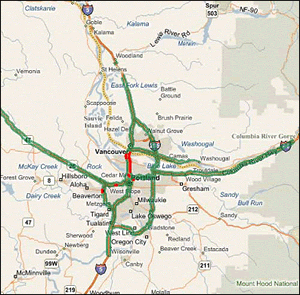
October 2013
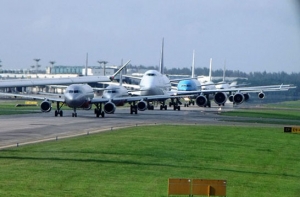
Congestion Modeling and Mitigation in the National Airspace System
October 25, 2013 12:00 pm - October 25, 2013 1:00 pm
Where: Room 204 of the Distance Learning Center Wing of the Urban Center on the Portland State University campus
Speaker: David Lovell, Associate Professor, University of Maryland
Topic: Congestion Modeling and Mitigation in the National Airspace System
Add this event to your calendar:
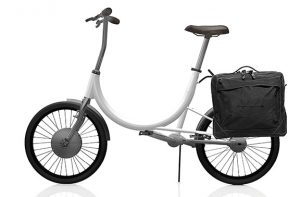
E-Bikes in the United States
October 18, 2013 12:00 pm - October 18, 2013 1:00 pm
Where: Room 204 of the Distance Learning Center Wing of the Urban Center on the Portland State University campus
Speaker: John MacArthur, Sustainable Transportation Program Manager, OTREC at PSU
Topic: E-Bikes in the United States
Transportation Analysis Informing Transportation Planning and Policy at ODOT
October 11, 2013 12:00 pm - October 11, 2013 1:00 pm
Where: Room 204 of the Distance Learning Center Wing of the Urban Center on the Portland State University campus
Speaker: Alexander Bettinardi, Oregon Department of Transportation
Topic: Transportation Analysis Informing Transportation Planning and Policy at ODOT
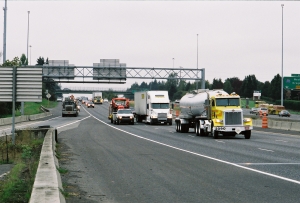
Using empirical (real-world) transportation data to extend travel demand model capabilities
October 4, 2013 12:00 pm - October 4, 2013 1:00 pm
Where: Room 204 of the Distance Learning Center Wing of the Urban Center on the Portland State University campus
Speaker: Michael Mauch, Ph.D., Senior Data Analyst, Project Manager, DKS Associates
Topic: Using Empirical (real-world) Transportation Data to Extend Travel Demand Model Capabilities
August 2013
Growing a World-Class Cycling Culture: Lessons from Quebec (Ann Niles Transportation Lecture)
August 26, 2013 6:30 pm - August 26, 2013 7:30 pm
Where: Lincoln Recital Hall, Lincoln Hall, Portland State University, 1620 S.W. Park Ave.
Admission: Free, but space is limited to 240 people.
Sponsors: Initiative for Bicycle and Pedestrian Innovation (IBPI) and Portland State University School of Music

Transportation 2.0
August 26, 2013 8:00 am - September 6, 2013 11:59 pm
Where: Online
Presenter: Joshua Skov, Principal and Co-Founder of Good Company
How can we meet our transportation needs more sustainably? What changes are already taking place as a result of markets and technology? Where do we need policy to foster better outcomes? And, what are the sustainable transportation opportunities for businesses, the public sector, and households?
This online workshop, offered by the UO Sustainability Leadership Program, reviews the evolution of transportation from technological, social and public policy perspectives. The content will explore sustainability issues and opportunities related to the transformation underway, in how we provide, plan, and deliver transportation services and systems.
MetroMile is sponsoring full and partial scholarships for this workshop. Contact Jake Pollack, UO Sustainability Leadership Program Manager, [email protected] for an application by August 12.
MetroMile, a San Francisco startup which markets and sells auto insurance priced according to how much customers drive,raised $10 million this spring, following a previous $4 million fundraising round. The company, which launched service in Oregon in December, provides drivers with a proprietary device called the Metronome. Once plugged into a vehicle's telematics system underneath the dashboard, the Metronome counts miles and also provides data useful in planning trips and improving gas mileage.
For more information, Transportation 2.0 course content and registration visit: http://sustain.uoregon.edu/workshops/course_desc.php?CourseKey=670950
Add this event to your calendar:

Comprehensive Bicycle Planning & Design Course (IBPI)
August 26, 2013 7:30 am - August 30, 2013 5:00 pm
The field of bikeway planning is rapidly evolving. This course will bring you up to speed on the cutting edge in practice and research, offering valuable skills for your professional life. It will cover the fundamentals of bikeway planning and design through an intensive week of interactive classroom and field experience. Instructors will integrate transit access and connections, bridges, trail crossings, and other special features into discussions, while using project examples to highlight practical applications of the principles and techniques covered. Effective education and encouragement programs, including public involvement strategies, will also be discussed.
Measuring the Quality of Traveler and Traffic Information
August 5, 2013 1:59 pm - August 5, 2013 2:59 pm
June 2013
OTREC’s Schlossberg gives USDOT lecture
June 19, 2013 1:00 pm - June 19, 2013 2:00 pm

Cycling in the Netherlands and Multi-Modality
June 18, 2013 1:30 pm - June 18, 2013 2:30 pm
Upcoming Events Snapshot
- August 18th, 2014 - Evaluating the Level-of-Service of Protected Bike Lanes
- August 25th, 2014 - Comprehensive Bicycle Design & Engineering 2.0
- September 15th, 2014 - 2014 Oregon Transportation Summit